民国十五年四川造“川”字二百文铜币精品推荐
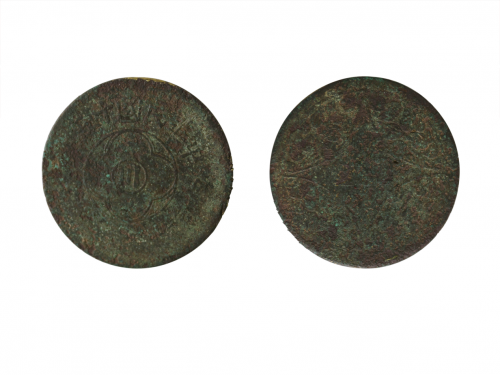
在民国初年风云激荡、波谲云诡的历史长河中,每一枚钱币都宛如一颗微小却璀璨的星辰,承载着特定时代的独特记忆与深刻内涵。而中华民国十五年四川造“川”字二百文铜币,更是以其独一无二的历史价值、卓越非凡的艺术价值与不可估量的收藏价值,在钱币收藏领域中熠熠生辉,成为众多藏家梦寐以求的珍品。尤为特殊的是,此枚二百文铜币在民国四川货币体系中,面值设定独树一帜,是研究当时货币流通与经济结构的关键样本。此枚铜币直径34.8毫米,厚度1.7毫米,重13克,历经百年风雨洗礼,包浆自然温润,恰似岁月精心雕琢的华服,每一道细微的磨损痕迹都无声诉说着往昔的故事,是研究民国四川地区政治、经济、金融史的珍贵实物见证。
历史背景:军阀割据下的货币缩影
辛亥革命的枪炮声如惊雷般划破夜空,推翻了腐朽的清王朝,然而,民国虽在名义上实现了对中国的统一,但政局却陷入了前所未有的动荡不安之中。军阀割据的局面迅速形成,各路军阀为了争夺地盘、扩充势力,纷纷割据一方,拥兵自重。四川,作为西南地区的重要战略要地,因其丰富的资源和独特的地理位置,成为了各路军阀竞相争夺的焦点。
在长达数十年的军阀混战中,四川的政治局势错综复杂,政权更迭频繁。为了筹措巨额的军费开支,维持庞大的军队运转,以及满足各路军阀的奢侈生活需求,滥铸铜元成为了他们获取经济资源的重要手段。1925年,邓锡侯率领其部队进驻成都,成功控制了成都造币厂这一重要的货币铸造机构。为了进一步巩固自己的统治地位,扩充军事实力,邓锡侯决定在民国十五年(1926年)铸造减重新版铜元。此枚“川”字二百文铜币,正是在这一特殊历史背景下应运而生的产物。其面值分为二百文、一百文、五十文三等,相较于民国初年铸造的铜元,重量大幅减轻,这一变化深刻反映了军阀统治下货币贬值、通货膨胀严重的现实,是那个动荡时代的真实写照。
设计工艺:中西合璧的艺术典范
此枚铜币的设计堪称精妙绝伦,巧妙地融合了传统与现代元素,充分彰显了独特的时代特色与艺术魅力。
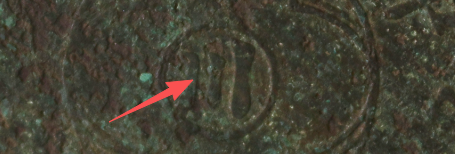
• 正面:中心部分微微突起,以阴文精心铸就省(局)简称“川”,这一简洁而有力的符号,鲜明地象征着四川的地域属性,让人一眼便能识别其来源。上方镌刻着“中华民国十五年”六个端庄秀丽的楷书字体,笔画刚劲有力,仿佛在诉说着那个时代的风云变幻。下方则标注着“每枚当贰百文”,明确了钱币的面值。左右两侧饰以精致的四星花图案,中间行铸花卉纹,花卉纹线条细腻流畅,栩栩如生,仿佛在微风中轻轻摇曳,为整个钱币增添了一份灵动之美。整体布局对称和谐,给人一种庄重、典雅的感觉,字体工整清秀,尽显工匠们的精湛技艺。

• 背面:中央以醒目的阿拉伯数字“200”清晰记值,这一现代元素的引入,体现了当时中国在货币设计上对西方文化的借鉴与融合。四周环绕着精美的嘉禾纹饰,嘉禾在中国传统文化中象征着农业丰收与民生希望,寓意着国家繁荣昌盛、人民安居乐业。四角铸四角星钱币纹,线条流畅自然,纹络精美细致,每一个细节都处理得恰到好处,充分展现了民国初期造币技术的成熟与精湛。

历史价值:见证四川货币文化的兴衰
此枚铜币不仅仅是简单的货币工具,它更是近代四川货币文化的重要载体,承载着丰富的历史信息,见证了那个特殊时代的种种变迁。
1. 政治动荡的直接反映:在军阀割据的混乱局面下,货币发行权被各路军阀分散掌控,导致币制极度混乱。不同的军阀为了自身利益,纷纷铸造发行自己的货币,使得市场上流通的钱币种类繁多、规格不一。此枚“川”字二百文铜币的铸造与流通,正是这一政治动荡时期的直接产物,它清晰地反映了当时四川地区政治权力的分散与争夺,以及各路军阀为了维护自身统治而采取的经济手段。
2. 经济困境的生动写照:为了支撑庞大的军费开支,各路军阀不惜大量铸造减重铜元,导致铜元的面值虚高,实际价值大幅下降。这种通货膨胀的现象使得民众生活困苦不堪,物价飞涨,民不聊生。此枚铜币重量的减轻,正是当时经济困境的一个生动缩影,它让我们深刻感受到了那个时代普通百姓所承受的巨大经济压力。
3. 文化融合的典型例证:钱币设计中的中西合璧元素,如阿拉伯数字与嘉禾纹饰的结合,体现了传统与现代的碰撞与融合。在西方文化逐渐传入中国的背景下,中国的货币设计也开始吸收借鉴西方的先进理念和技术,同时保留了中国传统文化的精髓。这种文化融合的现象不仅体现在货币设计上,也反映了当时中国社会在思想、文化等方面的变革与转型。
收藏意义:不可再生的历史遗产
作为民国铜元中的珍稀品种,此枚“川”字二百文铜币具有以下独特而不可替代的价值:
• 存世稀少,弥足珍贵:由于其铸造时间短暂,仅在民国十五年这一特定时期内发行,且流通范围相对有限,主要集中在四川地区。再加上历经多年的战乱、社会动荡以及岁月的侵蚀,许多铜币在流通过程中被损坏或遗失,导致如今品相完好的存世量极为稀少。物以稀为贵,这使得此枚铜币在收藏市场上具有极高的稀缺性和珍贵性。 • 艺术价值,独树一帜:其设计精美绝伦,工艺精湛细腻,无论是正面的文字图案还是背面的记值纹饰,都展现出了极高的艺术水准。每一处细节都处理得恰到好处,体现了当时工匠们的卓越技艺和创造力。它是民国钱币中的艺术佳作,具有极高的审美与观赏价值,无论是从艺术角度还是从历史角度欣赏,都能给人带来无尽的享受和启发。 • 历史研究价值,意义深远:对于历史研究者而言,此枚铜币是一把解锁过去的钥匙,为研究民国四川地区政治、经济、金融史提供了重要而珍贵的实物资料。通过对这枚铜币的研究,我们可以深入了解当时的社会背景、政治局势、经济发展状况以及货币文化特点等方面的信息,从而更加全面、深入地认识那个特殊的历史时期。
传承历史,珍藏文明
此枚中华民国十五年四川造“川”字二百文铜币,不仅仅是一枚简单的钱币,它更是一部凝固的历史教科书,承载着辛亥革命后的时代风云,记录着四川军阀割据的沧桑岁月,见证着近代中国货币文化的兴衰变迁。它宛如一位沉默的历史见证者,静静地诉说着过去的故事,等待着有缘人去倾听、去解读。
对于收藏家而言,它是一份珍贵的文化遗产,拥有它就如同拥有了一段历史的记忆;对于历史研究者而言,它是一把解锁过去的钥匙,能够帮助他们揭开历史的神秘面纱。此枚铜币即将亮相拍卖会,诚邀各界藏家共赏珍品,共鉴历史!让我们一同珍视这份不可再生的历史遗产,传承中华民族的优秀文化,让历史的光芒在岁月的长河中继续闪耀。
Recommended high-quality 200 wen copper coins with the character "Chuan" made in Sichuan in the 15th year of the Republic of China
In the turbulent and unpredictable history of the early years of the Republic of China, every coin was like a tiny yet brilliant star, carrying unique memories and profound connotations of a specific era. In the 15th year of the Republic of China, Sichuan produced a 200 wen copper coin with the character "Chuan", which shone brightly in the field of coin collection due to its unique historical value, outstanding artistic value, and immeasurable collection value, becoming a coveted treasure for many collectors. What is particularly special is that this 200 wen copper coin has a unique face value in the currency system of Sichuan during the Republic of China, and is a key sample for studying the circulation of currency and economic structure at that time. This copper coin has a diameter of 34.8 millimeters, a thickness of 1.7 millimeters, and weighs 13 grams. It has been tempered by wind and rain for a hundred years, and its coating is naturally warm and moist, just like a finely crafted costume of time. Every trace of wear and tear silently tells the story of the past, and is a precious physical witness to the study of the political, economic, and financial history of the Republic of China in Sichuan region.
Historical background: Currency epitome under warlord rule
The sound of gunfire from the Xinhai Revolution shattered the night sky like thunder, overthrowing the corrupt Qing Dynasty. However, although the Republic of China achieved nominal reunification with China, the political situation was plunged into unprecedented turmoil. The situation of warlord separatism quickly formed, and various warlords, in order to compete for territory and expand their power, successively held their own territories and supported their troops. Sichuan, as an important strategic location in the southwestern region, has become a focus of competition among various warlords due to its abundant resources and unique geographical position.
In the decades long warlord chaos, the political situation in Sichuan is complex and the regime changes frequently. In order to raise huge military expenditures, maintain the operation of a large army, and meet the luxurious living needs of various warlords, the indiscriminate casting of copper coins has become an important means for them to obtain economic resources. In 1925, Deng Xihou led his troops to enter Chengdu and successfully controlled the important currency minting institution, the Chengdu Mint. In order to further consolidate his ruling position and expand his military strength, Deng Xihou decided to cast a new version of copper coins with reduced weight in the 15th year of the Republic of China (1926). This 200 wen copper coin with the character "Chuan" was born under this special historical background. Its face value is divided into 200 wen, 100 wen, 50 wen, etc. Compared with the copper coins minted in the early years of the Republic of China, the weight has been greatly reduced. This change deeply reflects the reality of currency depreciation and severe inflation under warlord rule, and is a true portrayal of that turbulent era.
Design process: a model of combining Chinese and Western art
The design of this copper coin is unparalleled, cleverly blending traditional and modern elements, fully showcasing the unique characteristics of the times and artistic charm.
Frontline: The central part protrudes slightly and is carefully crafted with Yin script to represent the province (bureau) abbreviation "Chuan". This concise yet powerful symbol vividly symbolizes the regional attributes of Sichuan, making it easy to identify its origin at a glance. Above is engraved six dignified and beautiful regular script fonts of the 15th year of the Republic of China, with strong and powerful strokes, as if telling the story of the changing times of that era. Below it is marked with 'each coin is worth two hundred wen', indicating the face value of the coin. The left and right sides are decorated with exquisite four-star flower patterns, and the middle row is cast with floral patterns. The lines of the floral patterns are delicate and smooth, lifelike, as if gently swaying in the breeze, adding a lively beauty to the entire coin. The overall layout is symmetrical and harmonious, giving people a sense of solemnity and elegance. The fonts are neat and elegant, showcasing the exquisite skills of the craftsmen.
Back: The prominent Arabic numeral "200" is clearly marked in the center, and the introduction of this modern element reflects China's borrowing and integration of Western culture in currency design at that time. Surrounded by exquisite Jiahe decorations, Jiahe symbolizes the harvest of agriculture and the hope for people's livelihoods in traditional Chinese culture, symbolizing the prosperity of the country and the well-being of the people. The four pointed star coin pattern is smooth and natural, with exquisite and delicate patterns. Every detail is handled perfectly, fully demonstrating the maturity and exquisite coinage technology of the early Republic of China.
Historical Value: Witnessing the Rise and Fall of Sichuan's Monetary Culture
This copper coin is not only a simple monetary tool, but also an important carrier of modern Sichuan monetary culture, carrying rich historical information and witnessing the various changes of that special era.
The direct reflection of political turmoil: In the chaotic situation of warlord separatism, the power of currency issuance was dispersed and controlled by various warlords, leading to extreme chaos in the currency system. Different warlords, for their own interests, have minted and issued their own currencies, resulting in a wide variety and varying specifications of coins circulating in the market. The casting and circulation of this 200 wen copper coin with the character "Chuan" is a direct product of this period of political turmoil. It clearly reflects the dispersion and competition of political power in Sichuan at that time, as well as the economic measures adopted by various warlords to maintain their own rule.
A vivid portrayal of economic difficulties: In order to support massive military expenditures, various warlords spared no expense in casting a large number of lightweight copper coins, resulting in the inflated face value of copper coins and a significant decrease in their actual value. This phenomenon of inflation has made people's lives extremely difficult, with prices soaring and people struggling to make ends meet. The reduction in weight of this copper coin is a vivid reflection of the economic difficulties at that time, which made us deeply feel the enormous economic pressure that ordinary people endured during that era.
A typical example of cultural integration: the combination of Chinese and Western elements in coin design, such as the combination of Arabic numerals and Jiahe patterns, reflects the collision and fusion of tradition and modernity. Against the backdrop of the gradual introduction of Western culture into China, China's currency design has also begun to absorb and draw on advanced Western concepts and technologies, while retaining the essence of traditional Chinese culture. This phenomenon of cultural integration is not only reflected in currency design, but also reflects the changes and transformations in Chinese society at that time in terms of ideology, culture, and other aspects.
Collection significance: Non renewable historical heritage
As a rare variety of copper coins in the Republic of China, this 200 wen copper coin with the character "Chuan" has the following unique and irreplaceable values:
Rare and precious in existence: Due to its short casting time, it was only issued during the specific period of the 15th year of the Republic of China, and its circulation was relatively limited, mainly concentrated in the Sichuan region. In addition, after years of war, social unrest, and the erosion of time, many copper coins have been damaged or lost during circulation, resulting in extremely rare surviving quantities with intact appearance today. Rarity is considered precious, which makes this copper coin highly rare and precious in the collection market.
Artistic value, unique: Its design is exquisite and unparalleled, and its craftsmanship is exquisite and delicate. Whether it is the text patterns on the front or the engraved patterns on the back, they all demonstrate a high level of artistic quality. Every detail was handled perfectly, reflecting the outstanding skills and creativity of the craftsmen at that time. It is an artistic masterpiece among the coins of the Republic of China, with extremely high aesthetic and ornamental value. Whether appreciated from an artistic or historical perspective, it can bring endless enjoyment and inspiration to people.
The historical research value and profound significance: For historical researchers, this copper coin is a key to unlocking the past, providing important and precious physical materials for studying the political, economic, and financial history of the Republic of China in Sichuan region. By studying this copper coin, we can gain a deeper understanding of the social background, political situation, economic development, and cultural characteristics of the currency at that time, thus gaining a more comprehensive and in-depth understanding of that special historical period.
Conclusion: Inheriting history and cherishing civilization
This 200 wen copper coin with the character "Chuan" was made in Sichuan in the 15th year of the Republic of China. It is not just a simple coin, but also a solidified history textbook, carrying the era after the Xinhai Revolution, recording the vicissitudes of Sichuan warlords' rule, and witnessing the rise and fall of modern Chinese monetary culture. It is like a silent witness to history, quietly telling the stories of the past, waiting for someone to listen and interpret it.
For collectors, it is a precious cultural heritage, owning it is like having a memory of history; For historical researchers, it is a key that unlocks the past and helps them uncover the mystery of history. This copper coin is about to be auctioned off, and we sincerely invite collectors from all walks of life to appreciate the treasure and learn from history together! Let us cherish this non renewable historical heritage together, inherit the excellent culture of the Chinese nation, and let the light of history continue to shine in the long river of time.